Welcome to the Docker Bay
From Theory to the Docks
Section titled “From Theory to the Docks”This lesson takes the DevOps workflow concepts from Lesson 01 and makes them concrete. We are moving from high-level pipeline theory into a practical runtime model: containers.
The goal here is simple: define the exact environment our Node application needs, package it consistently, and run it exactly the same way across different machines.
What is Docker, Anyway?
Section titled “What is Docker, Anyway?”Before we start hauling cargo, let’s look at the crane. Docker is a platform that lets you package an application with all of its dependencies into a standardized, isolated unit for software delivery.
Think of it like the standardized steel shipping containers down at the docks. Before shipping containers, loading a cargo vessel was a chaotic, custom job for every single item—barrels, loose crates, assorted sacks—all crammed together. It was slow, and cargo often got crushed. The standardized container changed global trade because the crane doesn’t care if the box is holding high-end electronics or bulk coffee beans; it just grabs the standard dimensions and locks it onto the ship.
Docker does exactly this for our code. It wraps our application, the Node runtime, and any system libraries it needs into a standardized, portable box. A container runs exactly the same way under the Electric Indigo glow of your local dev machine as it does on a Midnight Graphite production server. The days of “it works on my machine” excuses are officially over.
By the end of this lesson, we should be able to:
- explain the difference between virtual machines and containers
- identify the core parts of Docker: Engine, images, containers, layers, and registries
- explain why containers help reduce environment drift
- write a basic
Dockerfilefor a Node app - build and run a containerized Node application locally
- map host and container ports correctly
- use
.dockerignoreto keep builds cleaner and faster - understand the basics of Docker layer caching
We are no longer trusting the weather. We are packing the application to travel properly. Runtime consistency is something we can design, not just something we hope for.
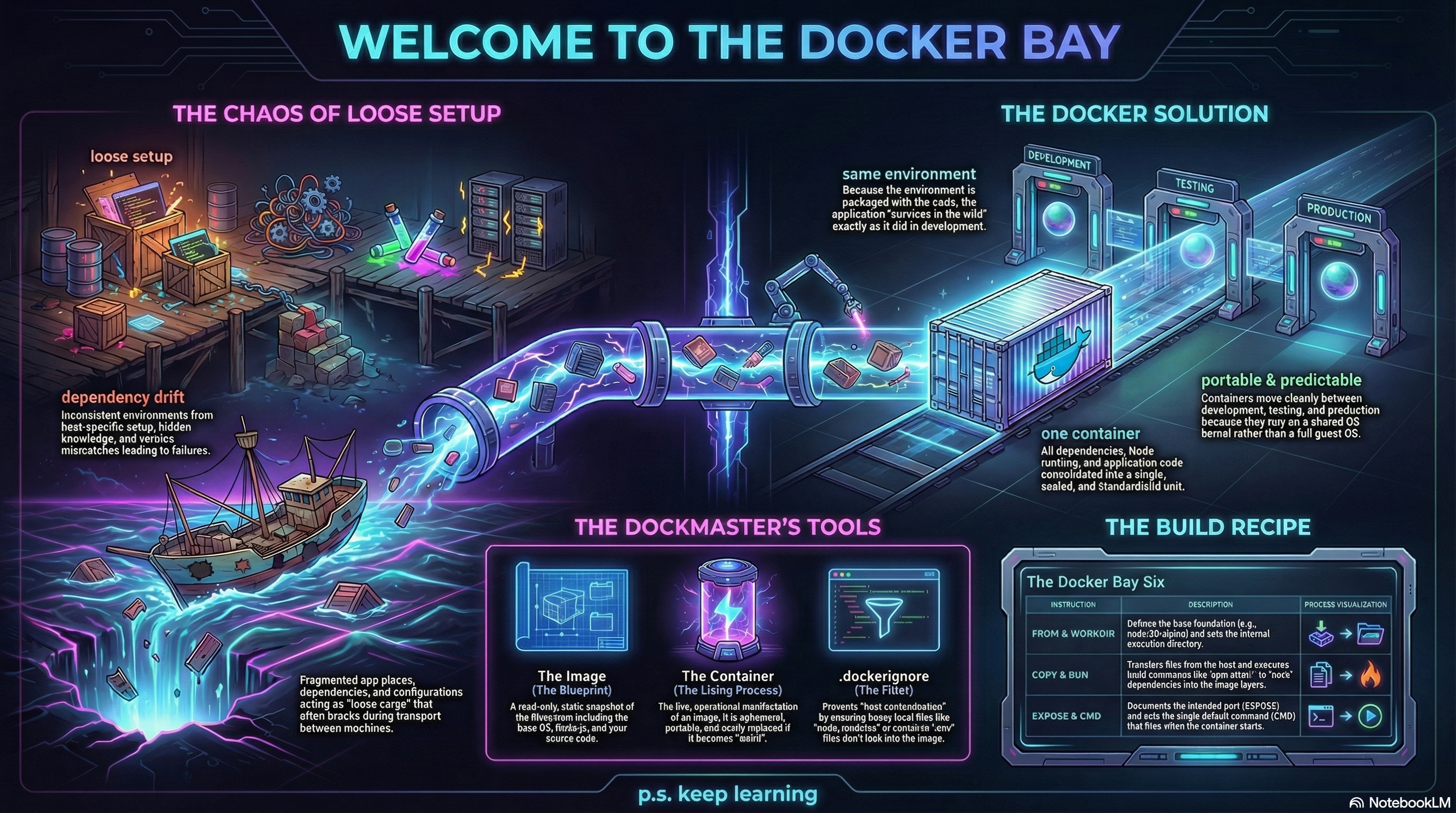
Figure 1: The Docker Ecosystem vs the chaos of loose development workflow
Extra Bits & Bytes
Section titled “Extra Bits & Bytes”Docker Official Overview
⏭ The Local-Dev Trap
Section titled “⏭ The Local-Dev Trap”Never, ever, ever say “it works on my machine” again.